
Nano Copper
A New Generation of Anti-Fungal Technology
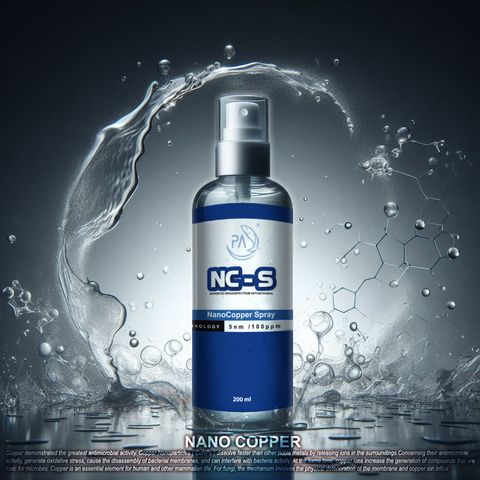
As concerns about microbial resistance continue to grow, researchers are exploring innovative alternatives to conventional antimicrobial and antifungal technologies. One area attracting significant attention is nano copper, a material that combines the well-established antimicrobial properties of copper with the advantages of nanotechnology.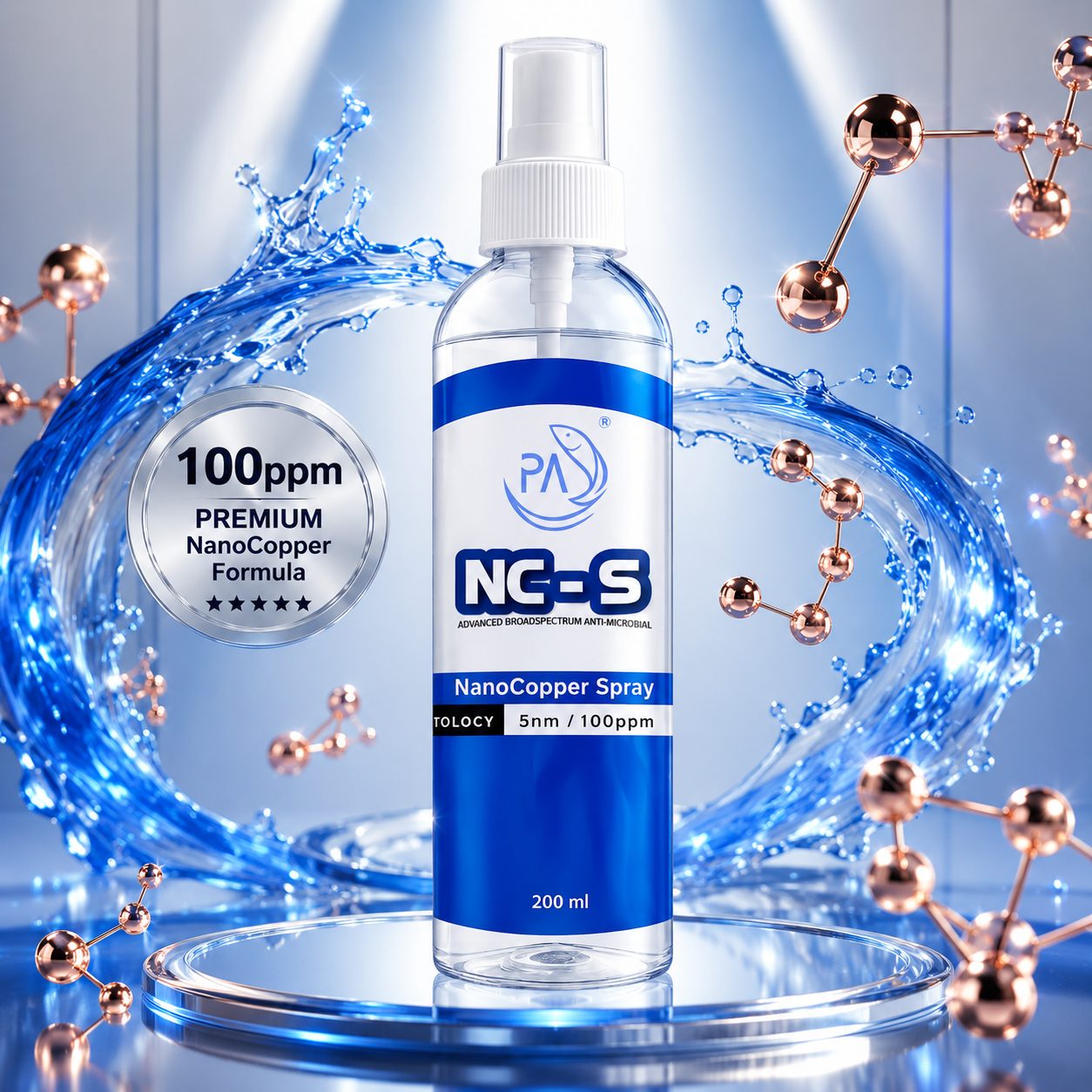
What Makes Nano Copper Different?
Copper has been used for centuries as a natural antimicrobial material. By reducing copper into nanoparticles, scientists greatly increase its surface area, allowing more active copper ions to interact with microorganisms. This enhanced interaction can improve antimicrobial efficiency while requiring smaller amounts of material.
Scientific Research Highlights Strong Anti-Fungal Activity
A 2022 study published in the Journal of Fungi investigated the antifungal effects of copper nanoparticles against Fusarium kuroshium, a fungus responsible for serious plant diseases.
Researchers found that copper nanoparticles:
Demonstrated strong antifungal activity against fungal growth.
Inhibited more than 80% of fungal growth at appropriate concentrations.
Produced greater growth inhibition than the conventional copper fungicide used as the comparison in the laboratory study.
Caused visible structural damage to fungal hyphae and spores under electron microscopy.
Interfered with ergosterol biosynthesis, an essential component required for maintaining fungal cell membrane integrity.
These findings suggest that nano copper works through multiple mechanisms rather than relying on a single mode of action, making it an exciting area of ongoing antimicrobial and antifungal research.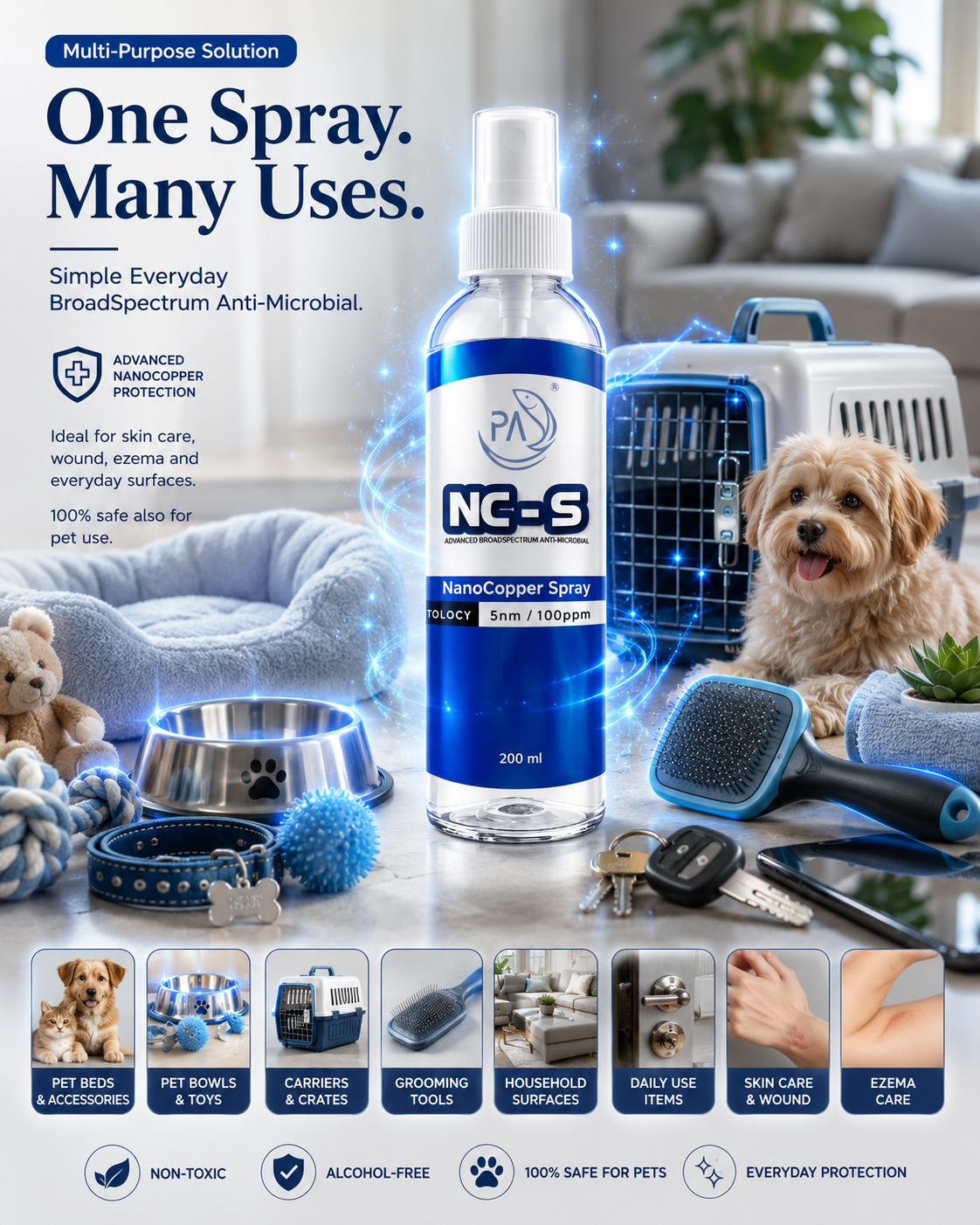
Beyond Anti-Fungal Activity
Scientific literature also reports that copper nanoparticles possess broad-spectrum antimicrobial properties. Research has shown that copper ions can interact with microorganisms by disrupting cell membranes, damaging essential cellular components, and reducing microbial survival on treated surfaces. This has led to growing interest in nano copper for applications in hygiene-sensitive environments, antimicrobial coatings, wound-care materials, and surface sanitation technologies.
The Future of Nano Copper
As nanotechnology continues to advance, nano copper is being explored across multiple industries, including healthcare, cleanroom technology, agriculture, consumer hygiene products, and advanced surface coatings. While researchers continue to evaluate new applications, current evidence highlights nano copper as a promising material for supporting everyday hygiene and microbial management.
Discover PA® NC-S® NanoCopper Spray
Inspired by advances in nano copper research, PA® NC-S® NanoCopper Spray is formulated with advanced 5nm NanoCopper Technology in a convenient ready-to-use, water-based, alcohol-free spray.
Designed for everyday hygiene, PA® NC-S® can be used on a wide range of surfaces and pet-related items where cleanliness matters. Its ultra-fine mist helps provide even coverage, making it suitable for routine hygiene practices at home and on the go.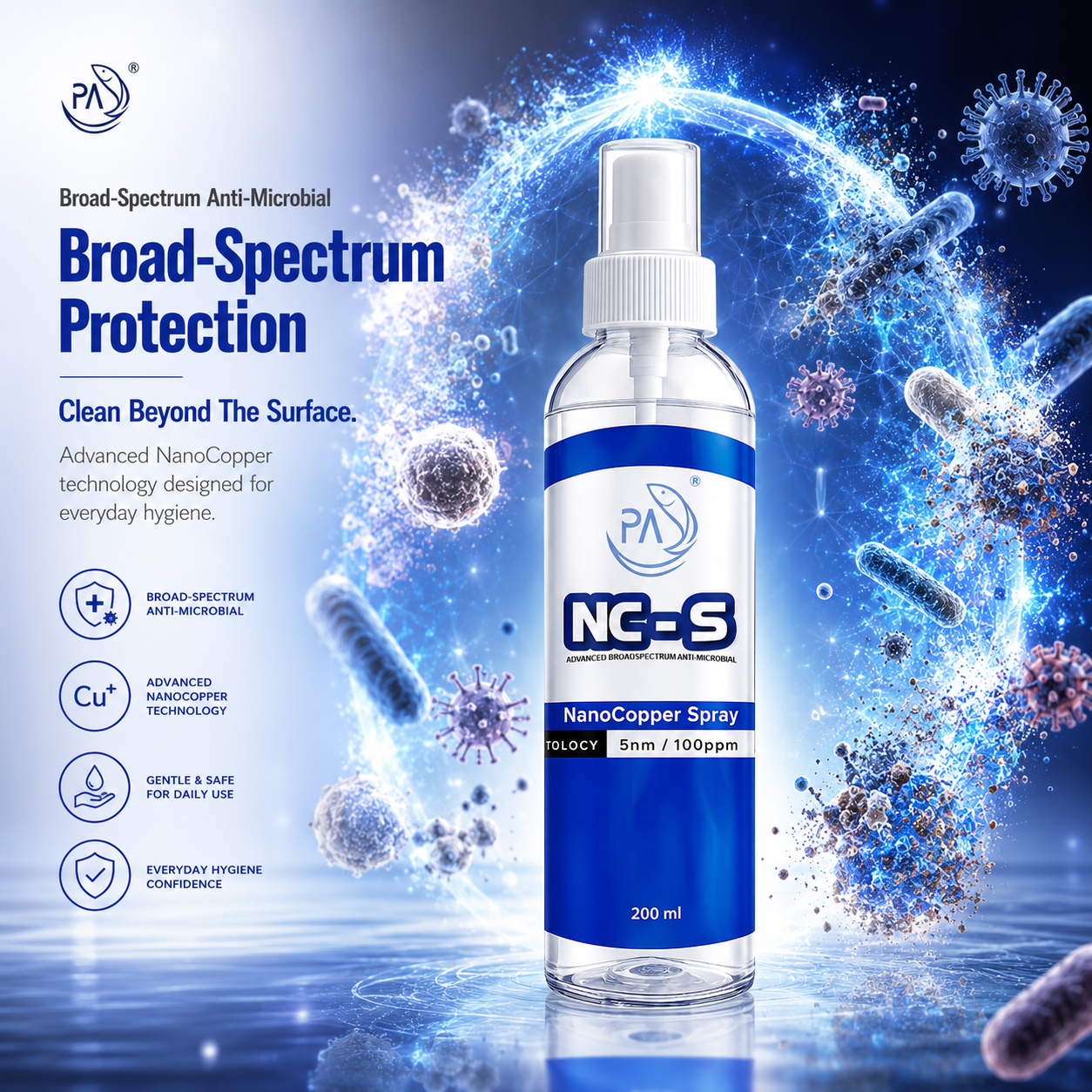
PA® NC-S® NanoCopper Spray
Advanced 5nm NanoCopper Technology
Water-Based Formula
Alcohol-Free
Broad-Spectrum Hygiene Support
Multi-Purpose Everyday Use
Fine Mist Spray for Easy Application
PA® NC-S® NanoCopper Spray is intended for external hygiene use. The scientific studies referenced above discuss nano copper technology in general and are not clinical studies conducted on PA® NC-S®. Product use should follow the instructions on the label.